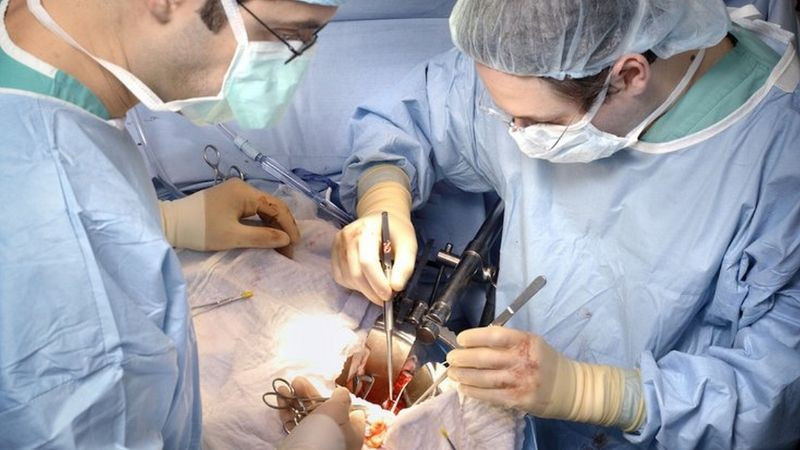
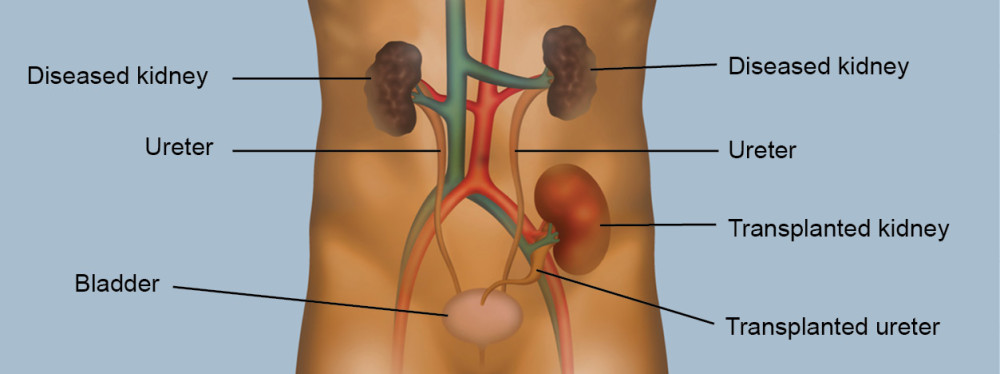
A kidney transplant is an operation to place a healthy (donor) kidney in your body to do the work your own diseased kidneys can no longer do.
Kidney transplantation is considered the best treatment for many people with severe CKD because quality of life and survival are often better than in people who use dialysis. However, there is a shortage of organs available for donation. Many people who are candidates for kidney transplantation are put on a transplant waiting list and require dialysis until an organ is available.
A kidney can come from a living relative, a living unrelated person, or from a person who has died (deceased or cadaver donor); only one kidney is required to survive. In general, organs from living donors function better and for longer periods of time than those from donors who are deceased.
Overall, transplant success rates are very good. Transplants from deceased donors have an 85 to 90% success rate for the first year. It means that after one year, 85 to 90 out of every 100 transplanted kidneys are still functioning. Live donor transplants have a 90 to 95% success rate. Long-term success is good for people of all ages.
WKD 2012 was devoted to spreading the message about the importance of organ donation and kidney transplantation for people with ESRD.
Health awareness note: KAMPS provides this information for public awareness. It should not replace professional medical advice, diagnosis or treatment. Please consult a qualified clinician for personal medical decisions.
Kidney Health FAQ
Where can I learn about kidney screening?
You can read KAMPS kidney screening guidance and contact a KAMPS center for current service information.
When should I speak to a doctor?
If you have symptoms, known risk factors or concerns about kidney health, please consult a qualified clinician.